Humanitarianism in a transforming world order
変容する世界秩序と人道主義のこれから
May 25th (Mon), 26th (Tue)
Webinar/オンライン配信
May 27th (Wed)
At BELLESALLE Takadanobaba and Webinar /
ベルサール高田馬場 & オンライン配信
Simultaneous interpretation available for webinars /
日英同時通訳あり(オンラインのみ)
Hosted by MSF
主催:国境なき医師団
Multiple babies share a single incubator at Al Helo Hospital in northern Gaza
due to a shortage of functioning incubators. 16 July 2025, ©Joanne Perry/MSF
Registration
We might stop registration before the Congress days, once the number of participants reaches the limit.
定員に達した場合には、開催日前に申し込みを締め切る場合もございます。
Registration for the online sessions on May 25th and 26th / 5月25日、26日オンラインセッション申し込み
Registration for the online sessions on May 25th and 26th 5/25.26オンラインセッション申し込み 
Registration for the hybrid session on May 27th/ 5月27日ハイブリッドセッション申し込み
先着100名様
Registration for ONSITE participation at BELLESALLE Takadanobaba on May 27th5/27 ベルサール高田馬場での観覧申し込み
(先着100名様)
※セッションは日本語で行います。会場での同時通訳提供はございません。
※This session will be held in Japanese. No simultaneous interpretation on site.
Notice on personal information for onsite participants
会場参加者の個人情報管理について
Registration for ONLINE participation on May 27th5/27 オンライン参加申し込み
※セッションは日本語で行います。ウェビナーでの同時通訳あり。
※This session will be held in Japanese. Simultaneous interpretation available for the webinar.
- SHARE
-


Humanitarian Congress Tokyo
The international order is currently undergoing a period of rapid and profound transformation.
In 2025, USAID, long regarded as one of the world’s largest aid agencies and a critical pillar of international humanitarian assistance, was effectively dismantled. U.S. foreign assistance is now being restructured under the leadership of the State Department, with a stronger emphasis on advancing U.S. national interests and security priorities. As a consequence, existing aid systems around the world have been significantly impacted, leading to widespread reductions and interruptions in humanitarian and global health funding. These developments have raised serious concerns about their potential impact on the lives of millions of people around the world.
The future of U.S. foreign assistance remains uncertain, and as policy frameworks are increasingly driven by national interest and security considerations, it is unclear how assistance grounded in humanitarian principles can be sustained. Moreover, current U.S. policies are reinforcing the view that international order should be stabilized through the use of power. This “peace through strength” approach is generating new tensions within frameworks of international cooperation themselves.
The rapid shift in U.S. policy, given the country’s global influence, is accelerating broader transformations in the international order. Within today’s international community, principles that have underpinned the postwar system, such as international cooperation, the rule of law, and respect for state sovereignty, are increasingly disregarded, while unilateral occupation and attacks by force appear to be tacitly tolerated. In the Gaza Strip, Israel, as an occupying power, bears responsibility under international law to ensure the provision of humanitarian assistance. However, it has not adequately fulfilled these obligations and continues to impose severe restrictions on the operations of humanitarian organizations, including international NGOs. Even when the international community calls for accountability and corrective action, and when bodies such as the United Nations Human Rights Council, the International Criminal Court, and the International Court of Justice issue recommendations or rulings, the number of cases in which states fail to comply with these decisions continues to grow.
Furthermore, even countries that have emphasized and contributed to international cooperation and universal values have, when prioritizing national security objectives, refrained from clearly condemning attacks suspected of violating international law. Instead, they have adopted ambiguous positions or, in some cases, taken actions that effectively amount to tacit endorsement. This pattern reflects the growing prevalence of so-called “double standards”, whereby states apply international law and established norms selectively, in accordance with their own interests.
These developments fundamentally erode the foundations upon which humanitarian action has long depended, most notably respect for international law, international cooperation, and shared global norms, and they pose serious challenges to humanitarian organizations. As international aid becomes increasingly politicized, national security agendas further obstruct humanitarian access and constrain humanitarian actions, making it ever more difficult to uphold established humanitarian principles.
Humanitarian Congress Tokyo 2026 will be convened under the theme “Humanitarianism in a transforming world order.” At a time of rapid change and heightened uncertainty in international order, the Congress will revisit the challenges confronting humanitarianism and examine its meaning and relevance today. In a context where humanitarian assistance is increasingly politicized and operational constraints on the ground are intensifying, the congress seeks to explore how humanitarian values can be upheld, and how humanitarian action can be sustained and strengthened in the years ahead.
The Humanitarian Congress Tokyo is primarily intended to promote dialogue among those involved in international cooperation, including practitioners, policymakers, researchers, and others. It also seeks to raise awareness and foster participation among the private sector, the media, students of international cooperation, and all those with a broad interest in humanitarian work. We look forward to having you with us for Humanitarian Congress Tokyo 2026.
About Humanitarian Congress Tokyo
Médecins Sans Frontières (MSF) has convened the Humanitarian Congress Tokyo annually since 2020 as a Japan-based platform for dialogue and reflection on key issues related to humanitarian aid.
現在、国際秩序は急速かつ深刻な転換期を迎えています。
米国では、長年世界最大の援助機関として国際人道支援を牽引してきた USAID が2025年に事実上解体され、対外援助は国務省主導で米国の国益を優先する体制へと再編されつつあります。この変化に伴い、世界中で既存の援助体制は大きく揺らぎ、人道支援や国際保健の現場では資金の縮小・中断が相次ぎ、数百万人規模の生命に影響が及ぶ可能性が指摘されています。米国の新たな援助の全体像は依然として明確でなく、国益・安全保障を前面に押し出す傾向が強まる中、人道原則に基づく支援をどのように維持できるのかは不透明な状況にあります。さらに、現在の米国政府は、国際秩序を「力によって安定させる」という発想を強めており、この姿勢が、国際協力の枠組みそのものに新たな緊張をもたらしています。
米国の急激な政策転換は、その影響力の大きさから、世界全体の国際秩序の変化を加速させています。現在の国際社会では、国際協調、法の支配、主権国家体制の尊重といった戦後秩序を支えてきた原則が軽視され、武力による一方的な占領や攻撃があたかも容認されるかのような状況が見受けられます。パレスチナ・ガザ地区では、占領国であるイスラエルが人道支援の十分な提供を確保する責任を負っているにもかかわらず、その責任が十分に果たされないまま、国際NGOを含む人道援助機関の活動を厳しく制限する事態が続いています。国際社会が非難し、是正を求め、国連人権理事会、国際刑事裁判所、国際司法裁判所などが勧告・判断を示しても、国家の行動がそれに沿わない事例が増加しています。さらに、これまで国際協調と普遍的価値を重視し実践してきた国々でさえ、安全保障政策を優先する中で、国際法違反が疑われる攻撃に対し明確な非難を避けたり、態度を曖昧にしたり、場合によっては支持するような行動を取ることがあります。国家が自国の利益に応じて国際法や既存の秩序を選択的に適用する、いわゆる「ダブルスタンダード」が顕在化していると言えるでしょう。
このような状況は、人道支援が成立してきた前提-国際法の遵守、国際協調、国際的な共通規範の尊重-を揺るがし、人道援助機関にとって重大な脅威となっています。援助の政治化が進み、国家の安全保障政策によって、さらに人道アクセスが妨げられたり、活動内容が制限されたりする事例が増加しており、従来の人道原則に基づいた支援活動を維持することは一層困難になっています。
2026年の人道援助コングレス東京は、「変容する世界秩序と人道主義のこれから」をテーマとし、急速に変化し不確実性を増す国際秩序の中で、人道主義が直面する課題とその意味を見つめ直します。援助活動の政治化や現場での制約が強まる現実を直視しながら、人道主義をいかに支え、人道援助を将来に向けてどのように継続・発展させていくべきかを、皆さまとともに考えていきたいと思います。
「人道援助コングレス東京」は、主に国際協力にかかわる関係者(実務者、政策立案者、研究者等)の間の対話を促すことを主な目的としていますが、民間企業の皆さま、メディアの方々、国際協力分野を学ばれている学生の皆さんをはじめ、広く人道援助に関心をお持ちの方々のご参加をお待ちしております。
人道援助コングレス東京について
日本において人道援助をめぐる諸問題を共に考える場をつくりたいと考え、国境なき医師団(MSF)は2020年より「人道援助コングレス東京」というプラットフォームを開設し、毎年開催しています。
Time Table(Japan Time)
Programme
We will update the information on the Panelists and Moderators.
パネリスト及びモデレーターに関しましては、随時更新します。
以下敬称略
Professional titles omitted below
Opening & Online Session 1
May 25th (Mon) 17:00-18:35 (Webinar)
Palestine: Humanitarianism at a crossroads
パレスチナ―人道主義が岐路に立つ時
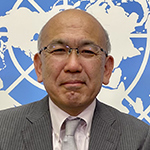
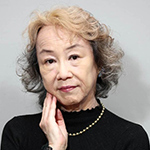

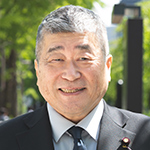
Panelists:
Akihiro Seita, Director of Health & WHO Special Representative, United Nations Relief and Works Agency for Palestine Refugees in the Near East (UNRWA)
Keiko Sakai, Professor / Director, Center for Relational Studies on Global Crises, Institute for Advanced Academic Research / Graduate School of Social Sciences, Chiba University
Claire Nicolet, Deputy Cell Manager, Emergency Cell, MSF
Comment:
Kenji Isezaki, Member of the House of Councillors
Moderator:
Jun Takaku, Staff member of the Asahi Shimbun Digital Division / former Jerusalem Bureau Chief
パネリスト:
清田明宏(国際連合パレスチナ難民救済事業機関(UNRWA) 保健局長 兼 世界保健機関(WHO)特別代表)
酒井啓子(特任教授 / グローバル関係融合研究センター長, 千葉大学 国際高等研究基幹 / 大学院社会科学研究院)
クレア・ニコレ(国境なき医師団 緊急対応セル 副マネージャー)
コメント:
伊勢崎賢治(参議院議員)
モデレーター:
高久潤(朝日新聞 デジタル編成本部 / 元エルサレム支局長)
Despite the ceasefire that came into effect in October 2025, the humanitarian crisis in the Gaza Strip remains unresolved. According to the Ministry of Health in Gaza, more than 600 people have been killed since the ceasefire, and sporadic attacks and violence continue. The cumulative death toll since October 2023 has exceeded 72,000, while severe restrictions remain in place on the entry of aid supplies, including water, medical supplies, shelter, and other essential goods, forcing civilians to continue living under extremely harsh conditions. In addition, the so-called “Yellow Line,” which divides Gaza from east to west, has rendered large areas in the eastern part of the Strip effectively inaccessible, becoming de facto “no return zones” for civilians. Conditions in the West Bank have also deteriorated, with intensified home demolitions, settler violence, and the rapid expansion of settlements, raising serious concerns about de facto annexation.
This session aims to examine the humanitarian situation in the Gaza Strip and the West Bank and, taking into account the evolving international order and rising regional tensions, to provide an opportunity to reflect on the future direction of international aid to Palestine.
2025年10月に停戦が発効したにもかかわらず、ガザ地区の人道危機は依然として解消されていない。停戦後もガザ保健省によると600人以上が殺害され、断続的な攻撃・暴力が続いている。2023年10月以降の累計死者数は7万2000人を超え、水、医療、住居、生活必需品といった援助物資の搬入に対する厳しい制限が続いており、住民たちは厳しい環境下での生活を引き続き余儀なくなされている。また、ガザを東西に分断するいわゆる「イエローライン」によって、東側の広範な地域が事実上、民間人が戻ることのできない「帰還不能地域」となっている。ヨルダン川西岸地区でも状況は悪化しており、住宅破壊、入植者による暴力、入植地の急速な拡大が進み、事実上の併合への深刻な懸念が高まっている。
本セッションではガザ地区およびヨルダン川西岸地区における人道状況を把握し、変化し続ける国際秩序や緊張が高まる地域情勢を踏まえ、パレスチナに対する人道支援の今後について考える機会としたい。
Online Session 2
May 25th (Mon) 19:00-20:30
Ten years after the adoption of UNSC resolution 2286: Relentless attacks on healthcare
国連安保理決議2286号採択から10年―止まない医療への攻撃
Panelists:
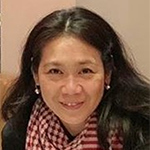
Slim Slama, Chief Executive Officer, World Innovation Summit for Health (WISH)- Qatar Foundation
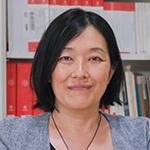
Megumi Ochi, Associate Professor, Graduate School of International Relations, Ritsumeikan University
Christina Wille, Director, Insecurity Insighty
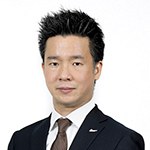
Maria Guevara, MSF International Medical Secretary
Comment:
Shoko Hanzawa, Head of Delegation in Japan, International Committee of the Red Cross
Moderator:
Shinjiro Murata, General Director, MSF Japan
パネリスト:
スリム・スラマ(世界保健革新サミット(WISH)-カタール財団 代表責任者)
越智萌(立命館大学大学院国際関係研究科 准教授)
クリスティーナ・ウィレ(インセキュリティ・インサイト 代表)
マリア・ゲバラ(国境なき医師団 医療主事)
コメント:
榛澤祥子(赤十字国際委員会(ICRC)駐日代表)
モデレーター:
村田慎二郎(国境なき医師団日本 事務局長)
This May marks ten years since the adoption of United Nations Security Council Resolution 2286, which calls on states to protect medical care in situations of armed conflict. Yet today, attacks on healthcare in armed conflicts have escalated to unprecedented levels. According to the World Health Organization (WHO), more than 1,370 attacks on medical care were recorded in 2025, of which 581 occurred in Ukraine and 460 in Palestine, followed by Myanmar and Sudan. In terms of fatalities, Sudan has suffered the most severe impact, with 1,620 people killed as a result of attacks on healthcare (WHO, as of 6 April 2026).
What must the international community do now to stop attacks on medical care? This session will examine the current realities on the ground and, marking the tenth anniversary of the resolution, discuss initiatives launched at this milestone, accountability mechanisms, and the persistent problem of impunity from multiple perspectives.
紛争下での医療活動の保護を各国に求める国連安全保障理事会決議2286号の採択から、今年5月で10年を迎える。しかし現在、武力紛争における医療への攻撃は前例のない水準にまで激化している。世界保健機関(WHO)によると、2025年には医療施設に対する攻撃が1370件以上記録され、その内訳はウクライナが581件、パレスチナが460件、続いてミャンマー、スーダンとなっている。死者数で見ると、最も被害が深刻なのはスーダンで、1620人が死亡している(2026年4月6日時点、WHO)。医療への攻撃を止めるために、いま国際社会がなすべきことは――本セッションでは、現在の実態を把握するとともに、決議10周年の節目に発信されるイニシアチブなどの取り組み、説明責任のメカニズム、不処罰の現実など、多角的な視点から議論する。
Online Session 3
May 26th (Tue) 17:00-18:30
Mental health in disasters and armed conflict: Addressing invisible wounds
災害・紛争下におけるメンタルヘルス―見えない傷にむきあう
Panelists:
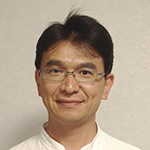
Norihiko Kuwayama, Ebina Kokoro Mental Health Clinic President / Representative Director, NPO “Frontline”
Naoko Miyaji, Specially Appointed Professor at the Graduate School of Sociology, Hitotsubashi University
Sho Takahashi, Professor, Department of Disaster and Community Psychiatry, Ibaraki Prefectural Medical Research Center of Disaster and Community Psychiatry,
University of Tsukuba
Masaki Fukushima, Psychologist, MSF
Moderator:
Nahoko Harada, Professor, Okayama University Department of Nursing Science, Faculty of Interdisciplinary Science and Engineering in Health Systems
パネリスト:
桑山紀彦(海老名こころのクリニック 院長 / 特定非営利活動法人 地球のステージ 代表理事)
宮地尚子(一橋大学大学院社会学研究科・特任教授)
高橋晶(筑波大学附属病院 茨城県災害・地域精神医学研究センター 教授 / 茨城県立こころの医療センター 地域・災害支援部長)
福島正樹(国境なき医師団 心理士)
モデレーター:
原田奈穂子(岡山大学大学院ヘルスシステム統合科学研究科 看護科学分野 教授)
One in five people experiences some form of mental health disorder during their lifetime. This figure becomes even higher among individuals who have lived through humanitarian crises such as conflict or natural disasters.
Since COVID-19, global awareness of mental health and psychosocial support (MHPSS) has increased, and many countries have developed relevant policies. Nevertheless, reports indicate that although more than half of affected individuals expressed a need for psychological support in humanitarian settings, only about 20% had access to appropriate services. In low- and middle-income countries, the budget allocated to MHPSS accounts for only about 2% of total public health expenditure. What are the underlying causes of these disparities?
The speakers from various MHPSS stakeholder groups will discuss the current state of mental health across diverse humanitarian contexts, highlight key challenges, and this session aims to propose future directions for strengthening MHPSS services.
生涯のうちに5人に1人が何らかの精神疾患を経験するとされている。そしてこの割合は、紛争や自然災害などの人道危機を経験した人びとではさらに高くなる。
コロナ禍以降、世界的にメンタルヘルスへの関心が高まり、多くの国で関連する政策が整備・強化されてきた。しかし、実際の人道危機の状況下では、支援を必要としていると回答する人が半数を超える一方で、適切な心理社会的支援にアクセスできた人は約20%にとどまっていたとの報告がある。また、低・中所得国では、メンタルヘルスおよび心理社会的支援に割かれる予算は、公的保健支出全体のわずか2%程度に過ぎず、十分な支援が行われていないという課題が浮き彫りになっている。このニーズと支援との不均衡をもたらす原因はどこにあるのだろうか。
本セッションでは、心理社会的支援に関わるさまざまな演者が、国内外の緊急援助現場におけるメンタルヘルスの現状、考察、課題を議論し、改めて心理社会的支援の必要性を訴えるとともに今後の心理社会的支援強化に向けた方向性を検討する。
Online Session 4
May 26th (Tue) 19:00-20:30
South Sudan: Shrinking international aid and growing humanitarian needs
南スーダン―縮小する国際援助と増大する人道ニーズ
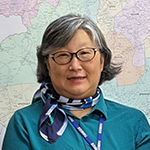



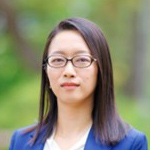
Panelists:
Hiroko Hirahara, Director, Civil Affairs Division, United Nations Mission in the Republic of South Sudan (UNMISS)
Megumi Yamamoto, Country Representative, South Sudan Programme, Peace Winds Japan
Boitshoko Mokgatlhe, Executive Director, The Democracy Foundation
Laura Spray, Humanitarian Affairs Coordinator, MSF South Sudan
Moderator:
Ayako Kobayashi, Associate Professor in the Faculty of Global Studies at Sophia University
パネリスト:
平原弘子(国連南スーダン共和国ミッション 民政部長)
山元めぐみ(特定非営利活動法人ピースウィンズ・ジャパン 南スーダン現地事業責任者)
ボイショコ・モカトゥルエ(デモクラシー・ファウンデーション 事務局長)
ローラ・スプレイ(国境なき医師団南スーダン 人道担当コーディネーター)
モデレーター:
小林綾子(上智大学総合グローバル学部総合グローバル学科 准教授)
South Sudan is currently facing an extremely severe and complex humanitarian crisis. This crisis has been shaped by escalating localized conflict, recurrent flooding, economic deterioration, large-scale disease outbreaks, and spillover from the conflict in neighboring Sudan. As of the end of December 2025, an estimated 9.3 million people, or approximately 70% of the population, required humanitarian aid. Intensified fighting in 2025 forced more than 342,000 people to flee their homes, sharply increasing protection risks while humanitarian access was severely restricted.
The public health situation has also deteriorated rapidly. South Sudan has experienced its worst cholera outbreak since its independence, and at least 5.6 million people require health assistance. At the same time, global reductions in aid funding and declining international attention have meant that the health sector received only 25.1% of the funding required in 2025. In Jonglei State, violence has once again intensified, resulting in attacks on medical care and large-scale displacement. MSF has also been forced to suspend some medical activities, including vaccination and malaria prevention programs.
Since gaining independence in 2011, South Sudan has attracted international attention and support, including significant engagement from Japan, such as the deployment of Japanese Self-Defense Forces as part of UN Peacekeeping Operations, the presence of numerous Japanese NGOs, and relatively frequent media coverage. In recent years, however, international attention has waned, and South Sudan is increasingly becoming a forgotten crisis.
This session will examine the worsening situation in South Sudan, where escalating conflict, shrinking humanitarian space, and funding cuts are converging to deepen human suffering. It aims to provide an opportunity to refocus attention on a country that once stood at the center of international concern.
現在、南スーダンは極めて深刻で複合的な人道危機に直面している。地域レベルで激化する紛争、繰り返される洪水、経済の悪化、大規模な感染症の流行、そして隣国スーダンの内戦の波及によってこの危機は形作られてきた。
2025年12月末の時点で、推定930万人、すなわち人口の約70%が人道支援を必要としており、戦闘の激化により2025年に新たに34万2000人以上が避難を余儀なくされ、保護上のリスクが急増する一方で、人道アクセスは深刻に制限された。
公衆衛生の状況も急速に悪化。南スーダンでは独立以来最悪となるコレラ流行が発生し、少なくとも560万人が保健医療支援を必要とする中、世界的な援助資金削減や国際的関心の低下によって、保健・医療セクターでは2025年に必要とされた援助額の25.1%しか資金が集まらなかった。 また、ジョングレイ州では、現在、暴力が再び激化し、医療への攻撃や大規模な避難が発生するとともに、MSFの活動においてもワクチン接種、マラリア予防活動など一部医療活動を停止せざるを得ない状況となっている。
南スーダンは、2011年の独立時から国際社会の注目と支援を受け、日本からも自衛隊が国連平和維持活動(PKO)として派遣され、数多くのNGOが現地で活動し、メディアでも比較的報道が多かった国である。しかし近年、国際的な関心は薄れ、日本においても南スーダンは忘れられた危機となりつつある。
本セッションでは、紛争の悪化、人道スペースの縮小、そして資金削減の影響が重なり合う中で、人びとの苦境がいっそう深まる南スーダンの現状を取り上げる。かつて国際的な関心を集めたこの国に、再び目を向ける機会としたい。
Hybrid Session & Closing
May 27th (Wed) 16:30-18:05 (the Online session) / -18:20(at the venue)
At BELLESALLE Takadanobaba, Meeting room1 and Webinar/
ベルサール高田馬場 会議室1、オンライン配信
セッションは日本語で行います。オンラインのみ同時通訳あり。
This session will be held in Japanese. Simultaneous interpretation available only for the webinar.
Humanitarianism in a transforming world order
変容する世界秩序と人道主義のこれから
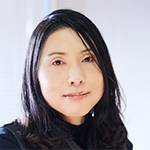
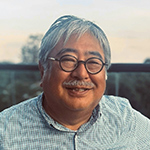

Lecturer:
Seiko Mimaki, Professor, Graduate School of Global Studies, Doshisha University
Panelists:
Takeshi Fujitani, Visiting Professor, International Christian University / Senior Editor, with Planet, The Asahi Shimbun
Momoko Shoyama, BA in Political Science and Middle Eastern Studies, Sciences Po Paris, MA Conflict Resolution in Divided Societies / King’s College London (expected)
Chika Suefuji, Director of the Advocacy, Medical Affairs, and Emergency Response Department, MSF Japan
Comment:
Tomoyuki Yamamoto, Director, Humanitarian Assistance and Emergency Relief Division, International Cooperation Bureau, Ministry of Foreign Affairs, Japan
Moderator:
Miki Ebara, Journalist/Documentarist, Former NHK News Anchor/Executive Producer
講演:
三牧聖子(同志社大学大学院 グローバル・スタディーズ 研究科 教授)
パネリスト:
藤谷健(国際基督教大学(ICU)客員教授 / 朝日新聞 with Planet編集部 シニアエディター)
庄山桃子(パリ政治学院 政治学・中東地域研究学士課程修了 / King’s College London 分断された社会における紛争解決学修士課程進学予定)
末藤千翔(国境なき医師団日本 アドボカシー/メディカル・アフェアーズ/緊急対応部門ディレクター)
コメント:
山本朋幸(外務省 国際協力局 緊急・人道支援課長)
モデレーター:
榎原美樹(ジャーナリスト/ドキュメンタリスト、元NHK記者・キャスター)
The international order and systems of international aid are currently undergoing a major period of transition. One of the most emblematic developments in this shift is the rapid change in U.S. foreign assistance policy. In 2025, USAID was effectively dismantled, and U.S. foreign assistance is being restructured around a framework that places national interests and security priorities at the forefront. As a result, humanitarian aid and global health programme are facing widespread reductions and suspensions. In this context, aid is increasingly being used as a political instrument, making it more difficult than ever to uphold humanitarian principles.
Against this backdrop of a transforming world order, this session will revisit the values and significance of humanitarianism and consider the direction that international aid should take moving forward. Together with participants attending both in person and online, we will reflect on these questions and explore possible paths for the future of humanitarian action.
現在、国際秩序および国際援助は大きな転換期にある。その象徴的な動きの一つが米国の対外援助政策の急激な変化である。2025年に USAID が事実上解体され、対外援助は国益と安全保障を前面に押し出す体制へ再編されつつある。その結果、人道支援や国際保健の現場では援助活動の縮小・中断が相次いでいる。このような状況下で、援助は政治的手段として利用される色合いを強め、人道原則を維持することはこれまで以上に困難になっている。
本セッションでは、こうした変容する世界秩序を背景に、人道主義の価値と意義を改めて問い直し、これからの人道援助がいかなる方向を指すべきか、会場とオンラインの参加者を交えて考える。
Registration
We might stop registration before the Congress days, once the number of participants reaches the limit.
定員に達した場合には、開催日前に申し込みを締め切る場合もございます。
Registration for the online sessions on May 25th and 26th / 5月25日、26日オンラインセッション申し込み
Registration for the online sessions on May 25th and 26th 5/25.26オンラインセッション申し込み
Registration for the hybrid session on May 27th/ 5月27日ハイブリッドセッション申し込み
先着100名様
Registration for ONSITE participation at BELLESALLE Takadanobaba on May 27th5/27 ベルサール高田馬場での観覧申し込み
(先着100名様)
※セッションは日本語で行います。会場での同時通訳提供はございません。
※This session will be held in Japanese. No simultaneous interpretation on site.
Notice on personal information for onsite participants
会場参加者の個人情報管理について
Registration for ONLINE participation on May 27th5/27 オンライン参加申し込み
※セッションは日本語で行います。ウェビナーでの同時通訳あり。
※This session will be held in Japanese. Simultaneous interpretation available for the webinar.
- SHARE
-
-
Archive
Exploring how to revitalize humanitarianism and multilateral cooperation
人道主義と多国間協調、再興の道を探る
The Humanitarian Congress Tokyo 2025 was held on April 22, 23 and 24, with simultaneous interpretation between Japanese and English. The audio is in the speaker's language, so please use the automatic translation function on YouTube if necessary.
人道支援コングレス東京2025は、4月22日、23日、24日の3日間にわたり、日英同時通訳付きで実施されました。アーカイブ映像の音声は話者の言語となりますので、YouTube自動翻訳機能をご利用ください
Opening & Online Session 1
Syria, now and in the future
シリア、今そして未来へ
Online Session 2
Vaccination in humanitarian settings - to ensure that no one is left behind, especially vulnerable populations
人道危機下のワクチン接種 ー特に脆弱な人びとを取り残さないためにー
Online Session 3
Healthcare is not a target: IHL and the frontlines of medical protection in armed conflicts
医療は攻撃対象ではない:国際人道法と紛争下の医療保護の最前線
Hybrid Session 1
Discussion on humanitarian aid from the perspective of Japanese youth
日本のユースと考える人道援助の現在地とこれから
Hybrid Session 2 & Closing
Exploring how to revitalize humanitarianism and multilateral cooperation
人道主義と多国間協調、再興の道を探る
Tackling the Crisis of Humanitarian Aid
人道援助の危機に立ち向かう
The Humanitarian Congress Tokyo 2024 was held on April 23, 24 and 25, with simultaneous interpretation between Japanese and English. The audio is in the speaker's language, so please use the automatic translation function on YouTube if necessary.
人道支援コングレス東京2024は、4月23日、24日、25日の3日間にわたり、日英同時通訳付きで実施されました。アーカイブ映像の音声は話者の言語となりますので、YouTube自動翻訳機能をご利用ください
Opening & Hybrid Session: How Can We Tackle the Crisis of Humanitarian Aid?/ 開会挨拶&ハイブリッドセッション:人道援助の危機にどう立ち向かうか?
Online Session 1: Sexual Violence against the Most Vulnerable - What is Necessary for a Better Future?/ オンラインセッション1: 脆弱な立場の人びとを襲う性暴力 ~未来のために必要な対応~
Online Session 2: Navigating Business and Human Rights Challenges - Critical Minerals and Humanitarian Concerns/ オンラインセッション2:「ビジネスと人権問題」にどう立ち向かうか ~紛争鉱物と人道上の懸念~
Online Session 3: Keep Our Eyes on Sudan/ オンラインセッション3:スーダンに関心を
Online Session 4 & Closing: Climate Change and Humanitarian Crisis: Navigating the Future Together/ オンラインセッション4& 閉会挨拶:気候変動と人道危機: 共に未来を切り拓く
A spotlight on the neglected
顧みられない危機に光を
The Humanitarian Congress Tokyo 2023 was held on April 11, 17 and 18, with simultaneous interpretation between Japanese and English. The audio is in the speaker's language, so please use the automatic translation function on YouTube if necessary.
人道支援コングレス東京2023は、4月11日、17日、18日日の3日間にわたり、日英同時通訳付きで実施されました。アーカイブ映像の音声は話者の言語となりますので、YouTube自動翻訳機能をご利用ください。
Opening & Hybrid Session: What determines whether a conflict is in the spotlight or neglected, and what are the consequences? /開会挨拶&ハイブリッドセッション:世界的な注目を集める紛争と集めない紛争。その違いはいかに生まれ、どのような影響をもたらしているのか。
Online Session 1: Time to face up to neglected tropical diseases/オンラインセッション2:顧みられない熱帯病に立ち向かう
Online Session 2: Myanmar today/オンラインセッション2:ミャンマーの今を探る
Online Session 3: How to navigate the triple nexus: challenges to humanitarian principles? /オンラインセッション3:人道・開発・平和はどのように共存できるか~人道原則への挑戦?~
Online Session 4 & Closing: The Horn of Africa: how to focus attention on this troubled region? /オンラインセッション4:アフリカの角──国際社会の関心を呼び起こすためには?
Rethinking humanitarian action in a changing world
「今、あらためて人道を考える」
レポート記事はこちら:【イベント報告】人道援助コングレス東京2022「今、あらためて人道を考える」
The Humanitarian Congress Tokyo 2022 was held on May 19 and 20, with simultaneous interpretation between Japanese and English. The audio is in the speaker's language, so please use the automatic translation function on YouTube if necessary.
人道支援コングレス東京2022は、5月19日及び20日の2日間にわたり、日英同時通訳付きで実施されました。アーカイブ映像の音声は話者の言語となりますので、YouTube自動翻訳機能をご利用ください。
Opening Remarks and Opening Session: Conflict in Ukraine and International Humanitarian Law/ 開会挨拶、ウクライナ紛争と国際人道法
Session 1:Time to face the “Silent Pandemic” of AMR – Roles of Medical and Humanitarian Actors/ 命をおびやかすAMR の「サイレント・パンデミック」に立ち向かう──医療・人道アクターの役割
Session 2: The Role of the Private Sector in Responding to Increasingly Complex and Protracted Humanitarian Crises/ 複雑化・長期化する人道的危機への対応における民間セクターの役割
Session 3: To End Prolonged Humanitarian Crisis in Afghanistan/ 長きにわたるアフガニスタンの人道危機、出口を求めて
Future of Humanitarian Action – truly leaving no one behind
「人道援助の未来――真に、“誰一人取り残さない”ために」
The Humanitarian Congress Tokyo 2021 was held on May 13 and 14, with simultaneous interpretation between Japanese and English. The audio is in the speaker's language, so please use the automatic translation function on YouTube if necessary.
人道支援コングレス東京2021は、5月13日及び14日の2日間にわたり、日英同時通訳付きで実施されました。アーカイブ映像の音声は話者の言語となりますので、YouTube自動翻訳機能をご利用ください。
Opening Remarks and Opening Session: Future of Humanitarian Action – truly leaving no one behind/ 開会挨拶、人道援助の未来――真に、“誰一人取り残さない”ために
Session 1:A decade of loss – Syria after ten years of crisis/ 破壊と喪失の10年‐シリアが背負う大きな代償
Session 2: Climate Change and Conflict: When Rain Turns to Dust/ 気候変動と紛争:大地が干上がる時
Session 3: Massive setback to decades of progress in women’s and child health: the impact of the pandemic beyond COVID-19, and Closing Remarks/ 女性・子どものヘルス分野における数十年の成果からの大幅な後退:新型コロナウイルス感染症の二次的影響 閉会挨拶
Challenges of Humanitarian Aid amid COVID-19
「コロナ禍における人道援助とその課題」
The Humanitarian Congress Tokyo 2020 was conducted with simultaneous interpretation between Japanese and English. The audio is in the speaker's languages, so please activate the auto-translate on YouTube if necessary.
人道援助コングレス東京2020は日英同時通訳付きで実施されました。音声は話者の言語となりますので、必要に応じてYouTubeの自動翻訳機能をご利用ください。
Pre-session: Implementation of humanitarian medical aid by MSF and the challenges MSF faces / MSFによる人道医療援助の実践と直面する危機
Speaker:
Shinjiro Murata, General Director, MSF Japan
Guest speaker:
Reshma Adatia, International Operations and Humanitarian Representation Coordinator, MSF International
発表者:
村田慎二郎(MSF日本事務局長)
ゲストスピーカー:
レシュマ・アダティア(MSFインターナショナル 人道・外交担当代表)
Opening remarks and Session1: Attacks on medical care / 開会挨拶、医療施設に対する攻撃
開会挨拶
久留宮隆(MSF日本会長)
Panelists:
Maciej Polkowski, Head of the Health Care in Danger initiative, International Committee of the Red Cross (ICRC),
Leonard Rubenstein, Chair, Safeguarding Health in Conflict Coalition
Shinjiro Murata, General Director, MSF Japan
Moderator:
Shuichi Furuya, Professor of law at Waseda Law School
パネリスト:
マーチェイ・ポルコウスキ(赤十字国際委員会Health Care in Danger プロジェクト統括)
レオナルド・ルーベンスタイン(Safeguarding Health in Conflict Coalition代表)
村田慎二郎(MSF日本事務局長)
モデレーター:
古谷修一(早稲田大学大学院法務研究科教授)
Session2: The global equitable access to the COVID-19 vaccine, therapeutics and diagnosis / 新型コロナウイルスワクチン・治療・検査への公平なアクセス
Panelists:
Dr. Sylvie Briand, Director of Infectious Hazard Management – Pandemic and Epidemic Disease department, WHO
Kaori Nakatani, Head of Office, DNDi Japan
Dr. Sidney Wong, Interim Co-Director MSF Access Campaign
Moderator:
Takashi Kurumiya, President, MSF Japan
パネリスト:
シルヴィ・ブリアン(医師、WHO感染リスク管理―エピデミック・パンデミック疾患対策部ディレクター)
中谷香(特定非営利活動法人DNDi Japan事務局代表)
シドニー・ウォン(医師、MSFアクセス・キャンペーン共同ディレクター)
モデレーター:
久留宮隆(MSF日本会長)
Session3: The Humanitarian situation in Yemen and Closing remarks / イエメンの人道状況、閉会挨拶
Panelists:
Hiroshi Sato, Chief Senior Researcher, IDE-JETRO
Yukimi Ogaki, World Food Programme (WFP) Yemen
Atsuhiko Ochiai, Former MSF Project Coordinator in Yemen
Moderator:
Takeshi Fujitani, Assistant to Executive Editor, The Asahi Shimbun
パネリスト:
佐藤寛(日本貿易振興機構(ジェトロ)アジア経済研究所 上席主任調査研究員)
大垣友貴美(国連世界食糧計画(WFP)イエメン事務所)
落合厚彦(元MSFイエメンプロジェクト責任者)
モデレーター:
藤谷健 (朝日新聞 編集担当補佐)
閉会挨拶
久留宮隆(MSF日本会長)